Product limits
Material properties, critical temperature, moisture target, fill depth and required finished-product quality.
PHARMACEUTICAL
SSLY systems for vials and high-value products, configured around shelf area, condenser demand, cleanroom interface and handling scope.
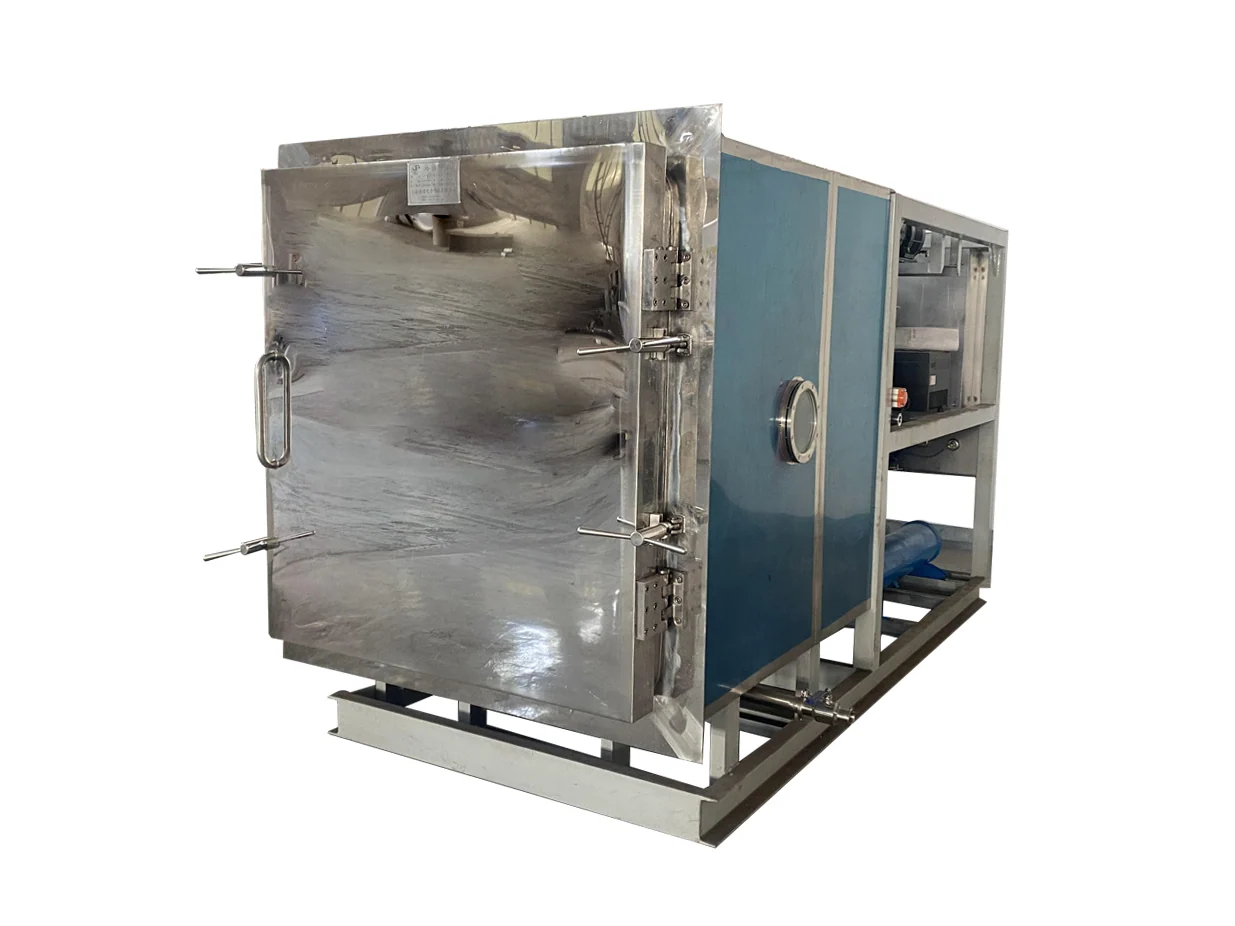
Selection worksheet
Provide these engineering inputs so shelf area, condenser margin, loading and utility demand can be evaluated together.
Material properties, critical temperature, moisture target, fill depth and required finished-product quality.
Container or tray format, loading quantity, units per batch and the required production rhythm.
Freezing method, drying stages, known cycle duration, endpoint method and condenser demand.
Room arrangement, door orientation, technical-area access, material flow and maintenance clearances.
Loading, recipes, interlocks, alarms, trend records and interfaces with the wider production system.
Required drawings, material records, factory acceptance, training and qualification responsibilities.
Published model data
Values below are published references. Final performance, utilities and certificate scope must be confirmed in the project quotation.
| Model | Shelf area | Water capture / batch | Shelf structure | Shelf temperature* | Cold trap* | Ultimate vacuum* |
|---|---|---|---|---|---|---|
| SSLY-1 | 1 m² | 20 kg | 4+1 shelves | −50 to +70°C | ≤−70°C | ≤5 Pa |
| SSLY-10 | 10 m² | 200 kg | 7+1 shelves | −50 to +70°C | ≤−70°C | ≤5 Pa |
| SSLY-20 | 20 m² | 400 kg | 14+1 shelves | −50 to +70°C | Configuration-dependent | ≤5 Pa |
| SSLY-40 | 40 m² family | Confirm in proposal | Project-specific | Confirm in proposal | Confirm in proposal | Confirm in proposal |
* No-load published values. Product temperature, drying rate and batch performance depend on the product, recipe, loading and operating conditions.
Process-critical controls
These controls connect the equipment specification to actual process risk.
Review shelf cooling, nucleation assumptions, fill depth and the temperature margin before primary drying.
Chamber pressure, shelf temperature, condenser capacity and product temperature must remain within the process window.
Controlled heating and hold time support desorption without exceeding the product temperature limit.
Utilities & interfaces
Final requirements are calculated from model, cycle and site conditions. The proposal should clearly allocate every connection and responsibility.
Project deliverables
The final document list is agreed contractually; this framework makes the project discussion concrete.
Engineering review
A productive technical review includes the product, process, production target, engineering boundary, quality requirements and procurement scope.
Send your selection inputsFAQ
Short answers support early evaluation; project-specific decisions remain subject to engineering confirmation.
Selection depends on container format, units per batch, shelf area, water load, loading method, utilities and documentation scope. A model code should only follow this engineering review.
The published SSLY range includes common and hydraulic stoppering configurations. The mechanism, pressure and applicable container system must be confirmed in the technical proposal.
Selected published SSLY data lists a no-load shelf setting range of −50°C to +70°C and ultimate vacuum of ≤5 Pa. Product performance and cycle conditions remain project-specific.
Yes. Door arrangement, technical-area access, material flow, utilities, controls and documentation can be reviewed within the project system boundary.

