Product risk
Collapse or eutectic temperature, sensitivity, residual-moisture target and acceptable appearance.
Primary solution
A pharmaceutical freeze-drying solution shaped around product risk, container format, throughput, facility interfaces and the route to routine production.

Application requirements
Product stability, container closure, batch scale and facility interfaces determine the right lyophilization platform.
Engineering brief
These are the useful facts our engineering team needs before selecting a chamber size or model family.
Collapse or eutectic temperature, sensitivity, residual-moisture target and acceptable appearance.
Vial size, fill depth, stopper format, bulk tray or alternative primary packaging.
Units or kilograms per batch, loading pattern, cycle duration and campaigns per week.
Cleanroom grade, technical-area access, utilities, door arrangement and material flow.
Recipe management, trends, alarms, user roles, audit trail and data-integration requirements.
FAT, documentation, calibration, installation support and project-specific qualification responsibilities.
Scale-up pathway
Scale-up is not simply a larger chamber. Shelf loading, vial geometry, heat transfer, condenser margin and equipment capability must remain traceable to the product.
Establish cycle knowledge and critical product limits on a representative platform.
Confirm loading pattern, process repeatability and the transfer assumptions.
Define batch capacity, handling, controls, facility integration and documentation.
Train operators, maintain critical components and manage approved process changes.
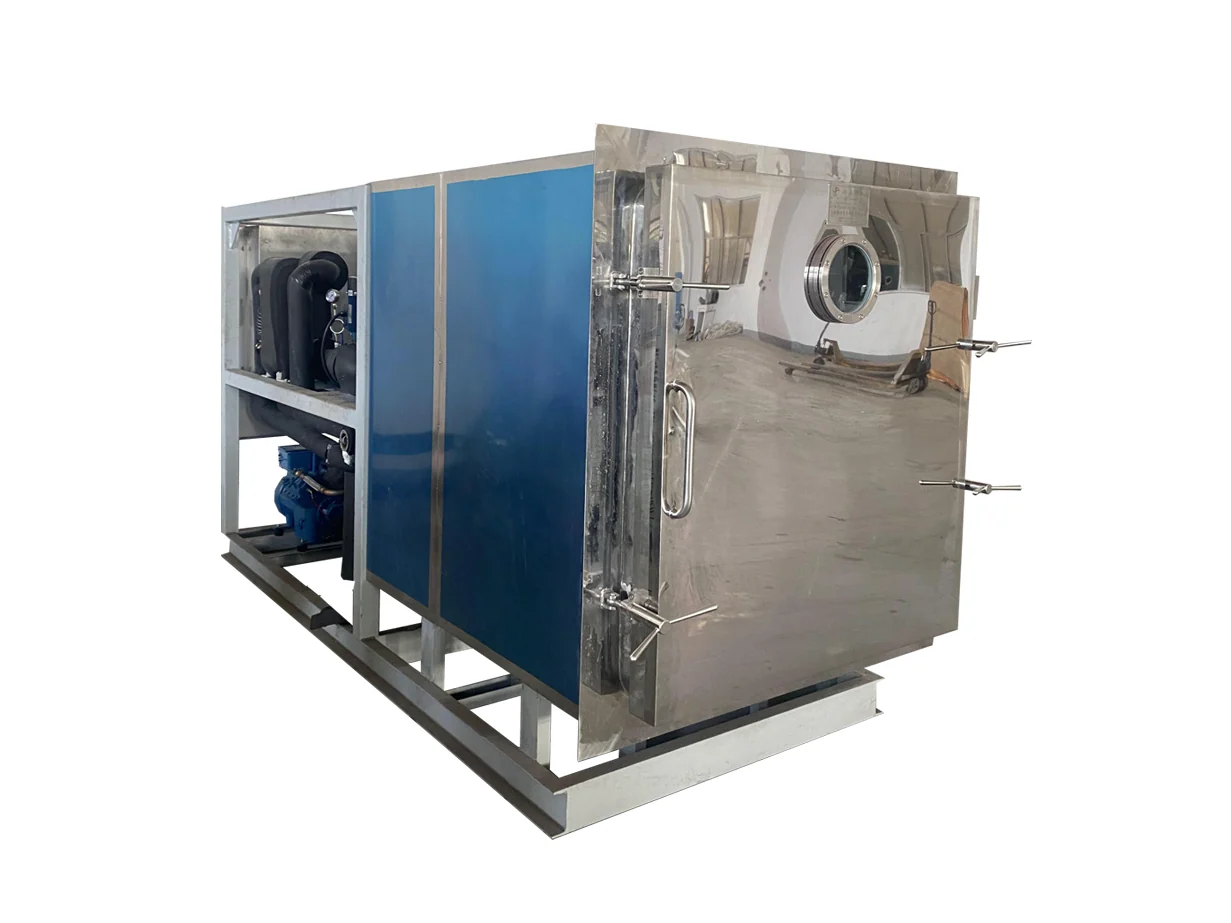
Explore the equipment
Review model data, subsystem choices, utility requirements, project deliverables and the inputs required for selection.